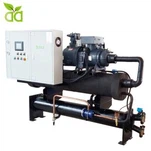
An industrial dry air cooler, also known as an air-cooled heat exchanger, is a crucial component in various industrial processes for efficiently removing heat from a system or process using ambient air. These coolers are integral in maintaining optimal temperatures for equipment and processes across numerous industries, including power generation, chemical manufacturing, oil and gas, HVAC systems, and more.
Function:
The primary function of an industrial dry air cooler is to dissipate heat from a system by transferring it to the surrounding air. This is achieved through a heat exchange process wherein a hot fluid (such as water, oil, or refrigerant) flows through tubes or channels within the cooler. As ambient air passes over these tubes, it absorbs the heat from the fluid, causing the fluid to cool down and the air to heat up slightly. The heated air then gets expelled, while the cooled fluid continues its cycle within the system.
Components:
1. Heat Exchanger Tubes or Coils:
These are the core components where the heat exchange occurs. Fluid flows through these tubes, and air passes over them to facilitate heat transfer.
2. Fan or Blower:
It helps in drawing ambient air through the heat exchanger, enhancing the cooling process by increasing the rate of heat transfer.
3. Fins or Louvers:
These are attached to the heat exchanger tubes to increase the surface area available for heat transfer between the fluid and the air.
4. Pumps (in some systems):
Some industrial dry air coolers may require pumps to circulate the fluid through the system.
5. Controls and Monitoring Devices:
These components regulate and monitor the temperature, flow rate, and pressure of both the fluid and the air to ensure efficient operation.


Applications:
1. Power Generation:
Industrial dry air coolers are used in power plants to cool the condenser water in steam turbines or to cool engine components in gas turbines.
2. Chemical Industry:
They play a vital role in chemical processing for controlling temperatures in reactors, distillation units, and other equipment.
3. Oil and Gas Industry:
Dry air coolers are employed in oil refineries and petrochemical plants to cool various processes and equipment, including compressors and heat exchangers.
4. HVAC Systems:
They are utilized in commercial HVAC systems for building cooling, especially in areas where water availability or water quality is a concern.
5. Food and Beverage Industry:
Dry air coolers aid in maintaining optimal temperatures in food processing, storage, and transportation.
Advantages:
1. Water Conservation:
Unlike water-cooled systems, dry air coolers do not require constant water consumption, making them more environmentally friendly and cost-effective in areas with water scarcity.
2. Reduced Maintenance:
They often have simpler designs compared to water-cooled systems, resulting in lower maintenance requirements.
3. Adaptability:
Dry air coolers can function in a wide range of environmental conditions and are suitable for both indoor and outdoor installations.
4. Energy Efficiency:
They eliminate the need for water pumps and cooling towers, potentially reducing energy consumption and operational costs.
Conclusion:
Industrial dry air coolers are essential components in various industries, providing efficient heat dissipation while offering advantages such as water conservation, reduced maintenance, and adaptability to different environments. Their versatility and effectiveness in controlling temperatures make them integral to the smooth operation of numerous industrial processes and systems worldwide.
Hot Tags: industrial dry air cooler China, manufacturers, plant, price, for sale