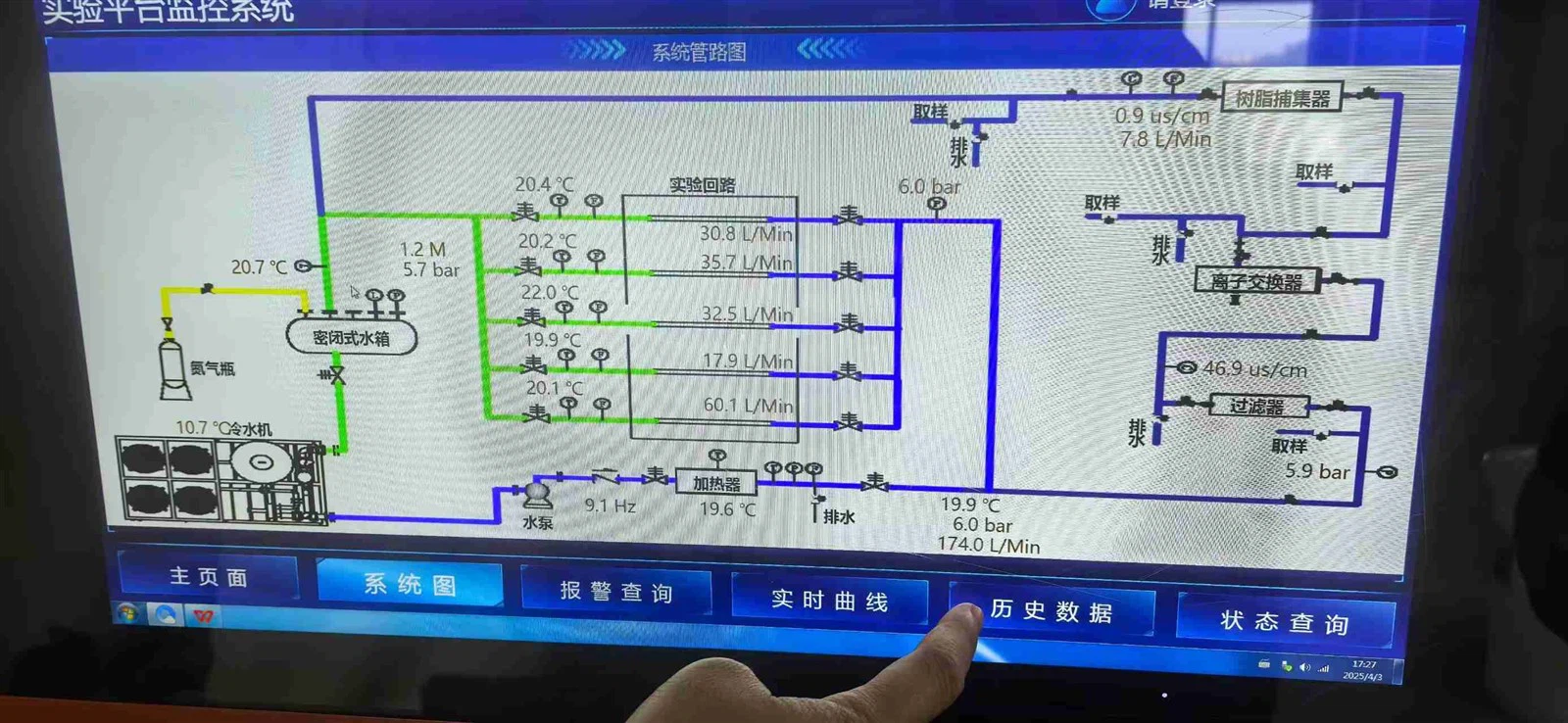
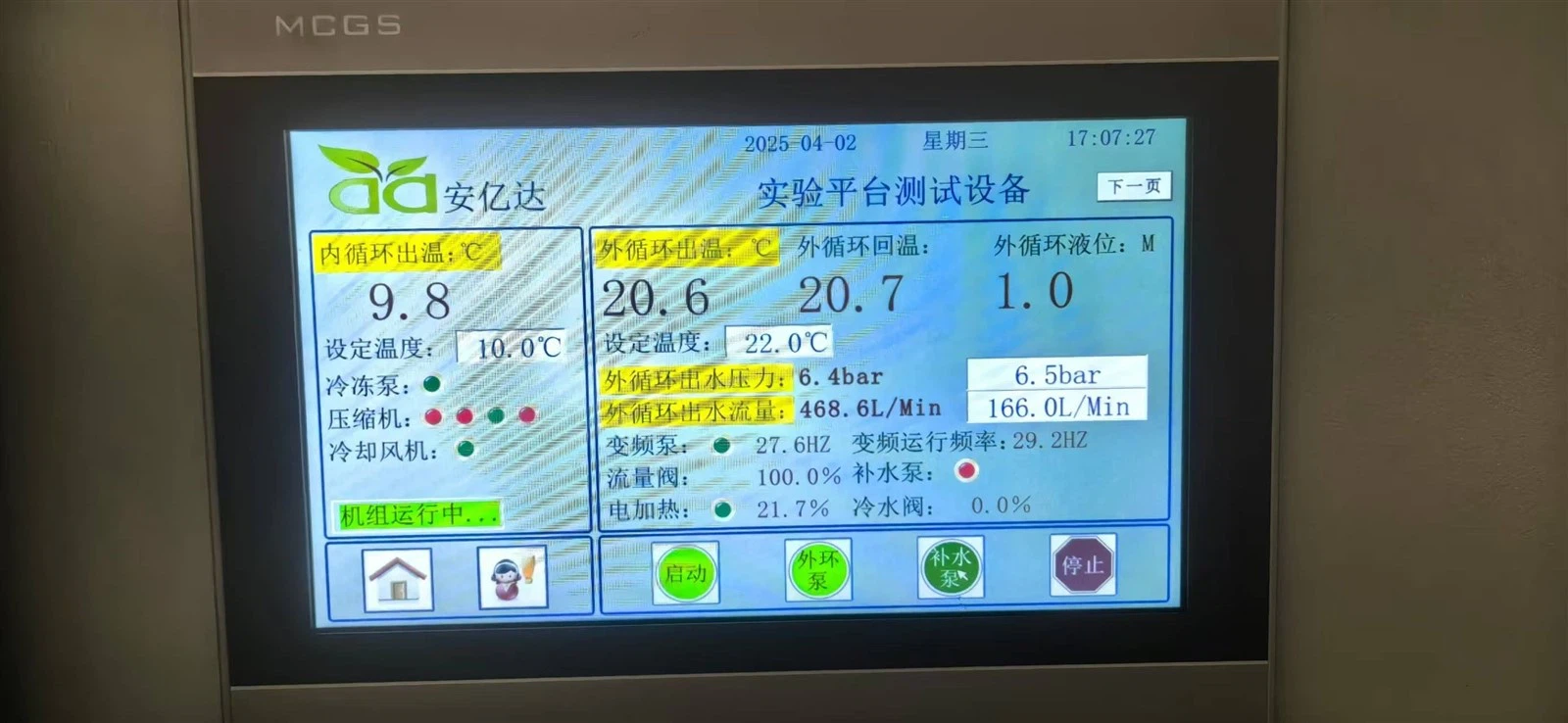
A lab water chiller heater is a temperature control device used in laboratories to precisely regulate the temperature of liquids, typically water, that flow through or around scientific instruments, reactors, or samples. It combines both cooling and heating functions in a single unit, making it versatile for a wide range of applications.
What It Does:
Chills or heats water (or other fluids) to a set temperature.
Circulates that fluid through lab equipment to maintain a stable temperature environment.
Common Uses in the Lab:
Controlling temperature of analytical instruments (e.g., NMR, SEM, HPLC, lasers).
Maintaining reaction conditions in chemical syntheses or biological experiments.
Thermal testing of materials or devices.
Cooling molds, fermentation tanks, or condenser coils.
Key Features:
Temperature range: Typically from ~-20°C to 100°C or more.
Recirculation pump: Moves the fluid through your system.
Digital controls: Set and maintain target temperatures with precision.
Safety systems: Over-temp protection, fluid level sensors, alarms.
Cooling vs Heating
Chiller function removes heat → for cooling processes.
Heater function adds heat → for warming processes.
Many models switch between the two automatically based on your settings.