Industrial Air Cooler for Cooling Workshop
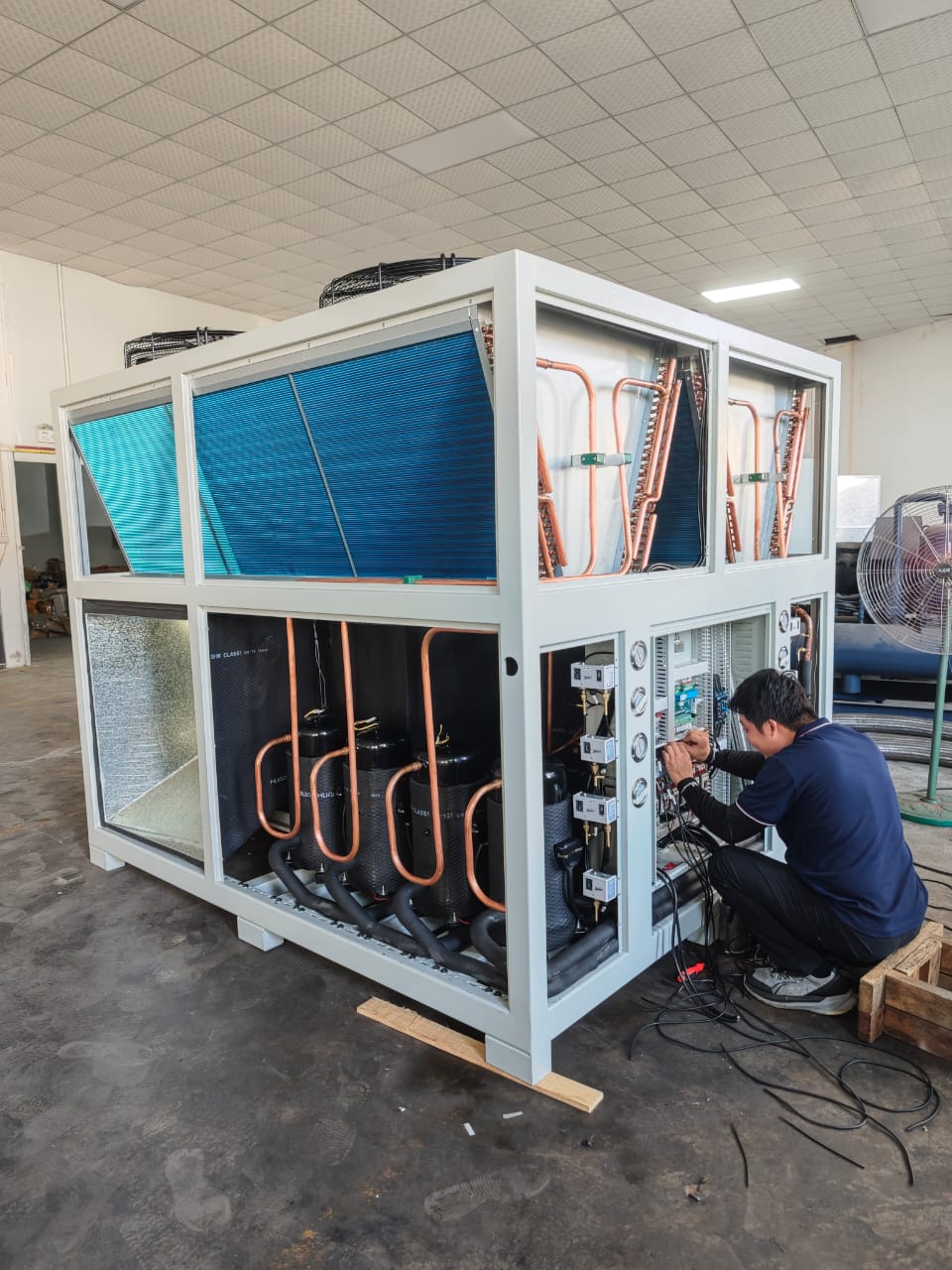
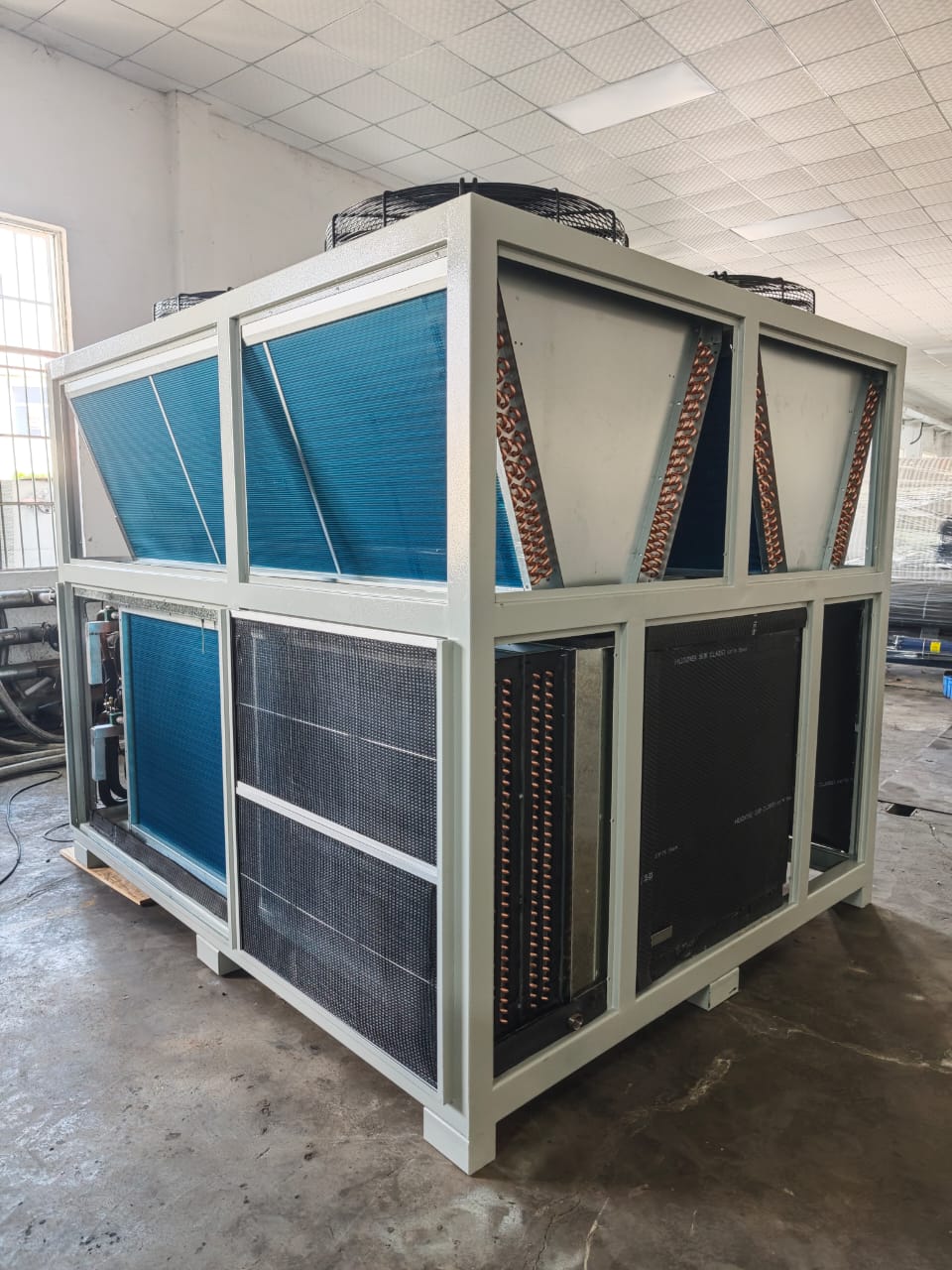
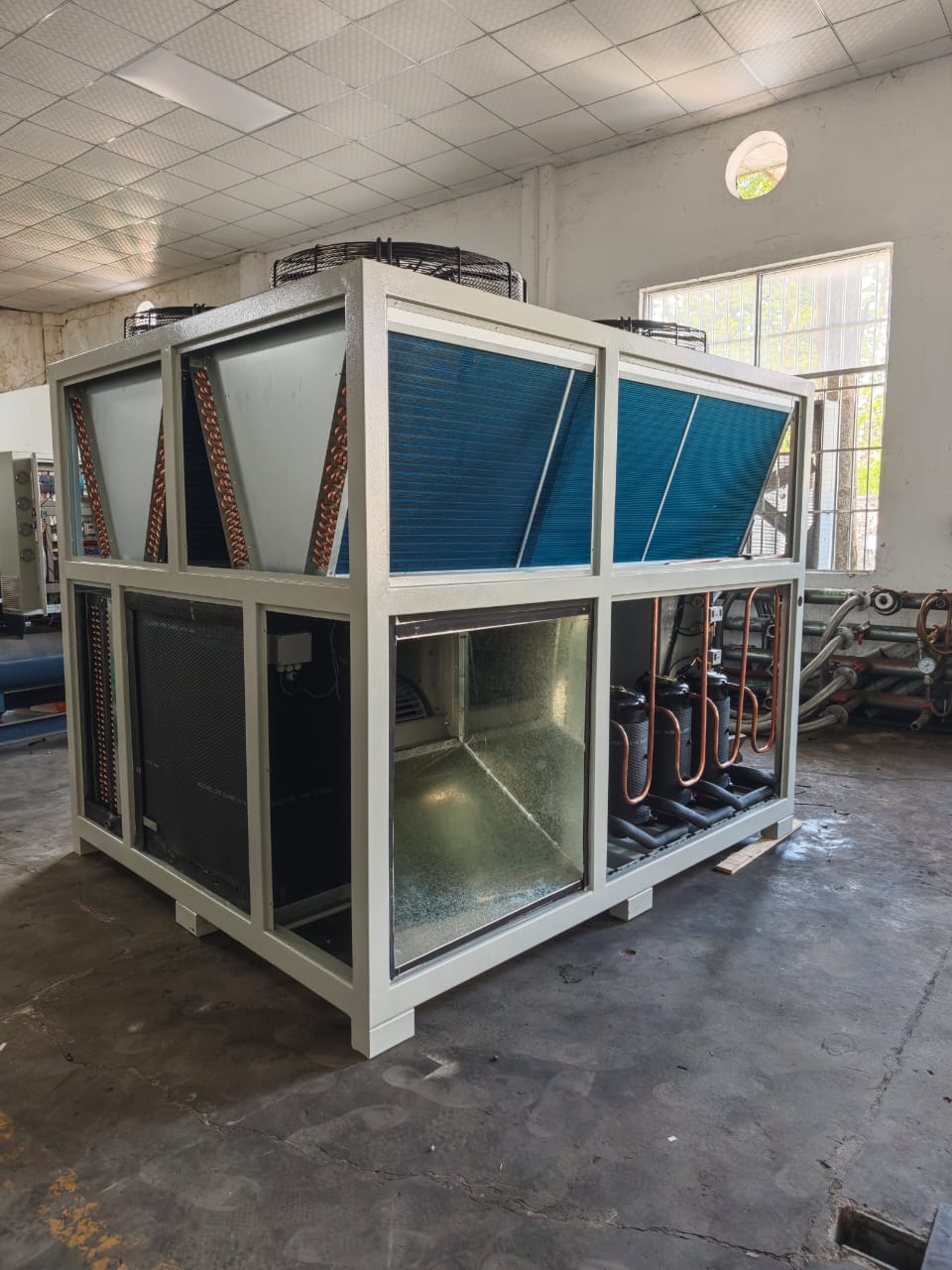
At the core of any compressor-based air cooler is the vapor-compression refrigeration cycle. This is a closed-loop system that uses a chemical refrigerant to transfer heat from inside a facility to the outside environment. The cycle consists of four primary components: the compressor, the condenser, the expansion valve, and the evaporator. The process begins when the compressor receives low-pressure, low-temperature refrigerant vapor from the evaporator. The compressor performs the crucial work of the system, dramatically increasing the refrigerant's pressure and temperature, transforming it into a hot, high-pressure gas. This superheated vapor is then directed to the condenser.
In the condenser, the hot refrigerant releases its heat to the outside air (in an air-cooled system) or to water (in a water-cooled system). As it loses thermal energy, the refrigerant condenses from a gas into a high-pressure liquid. This liquid refrigerant then passes through an expansion valve or metering device, which causes a sudden pressure drop. This rapid expansion cools the refrigerant significantly, turning it into a cold, low-pressure mixture of liquid and vapor. Finally, this cold refrigerant flows into the evaporator coil. Here, a fan blows warm indoor air across the coil, and the refrigerant absorbs the heat from the air, evaporating back into a low-pressure gas. This cooled air is then circulated into the workspace. The refrigerant vapor returns to the compressor, and the cycle repeats continuously.
This cycle is not merely about cooling; it is also a powerful dehumidifier. As the warm, humid air passes over the cold evaporator coil, moisture condenses out of the air and is drained away, providing a level of humidity control that is unattainable with simple evaporative coolers.